

"A household residing in North London is looking for an extraordinary and qualified tutor to guide their most junior child on his first steps to turning into an English gentleman."
Looking at this listing, you might easily skip the term "first-steps" as simple an expression.
But, it may be the most significant part of this distinctive employment listing, as it seeks to find a teacher for a 12-month-old.
Hundreds of applications have already been submitted since the anonymous family published their call for the highly paid tutor, who needs to be "someone very special".
During the past few weeks, the post has received notice throughout the media, with several asking why?
Progressive Approach
The CEO, CEO and founder of a global tutoring firm, which is supporting the family in their quest, explained that notwithstanding initial scepticism, he found the idea "far sighted", and "progressive".
When he spoke with the family, he said they appreciated the atypical nature of their requirement, and how early in age their son is.
But, they clarified that they "preferred not to postpone any longer" to engage a tutor, as they had held off until their older child was five, and by that stage "cultural influence had already taken hold".
What exactly did the family indicate by "cultural bias"?
It's "everything", the expert responded. "The way you eat, how you speak".
He explained the elder child had picked up "very nuanced, unspoken signals" from the family, and had adopted their cultural ways. The family explained to him they wished to avoid the same situation to happen again with their infant.
The strategy: To hire a UK tutor, who should speak with standard English accent, to guide the baby right from the beginning.
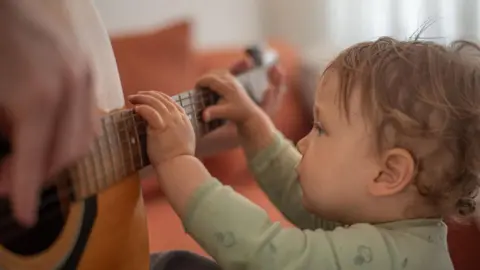
Osmotic Learning
"A lot of the education at the outset here is kind of acquired indirectly," explained Adam.
It's via this subtle influence that the family are hoping the child will acquire the British traits they want to cultivate.
The consultant noted the tutor had to be an individual who went to "the right kinds of schools – similar types of schools as the family hope to send their son to".
"The instructor must be the right kind of person, they'll be doing things they don't even know they're doing, simply by nature," he commented.
Expense Not a Factor
The family informed the expert the selected educator should preferably also have knowledge of or enthusiasm in horse riding, winter sports, creative fields and musical activities so as to influence the child in a diverse set of interests.
Additionally though, he said the family desired the tutor to enrol the child on a selection of lessons so the child would be "horseback riding and starting an instrument by the time they are around three years old".
In the family's minds, helping their son develop into a "British gentleman" will lead to accomplishment and provide access.
"For all the pros and cons of that, because it's undoubtedly a status symbol," he comments.
But, despite all this instruction in "Britishness", could the child adopt what is termed cultural influence from the globally influenced family he lives with in any case?
"Certainly", answered he. "The parents know this might not succeed, but they've simply adopted the perspective of, 'let's give it a go and we'll proceed as soon as we can', because the expense of it is irrelevant," he said.
Idealistic and Unrealistic
Several in the education sector who express those reservations.
Another CEO, chief executive of an educational organization, who also offer individual instructors, stated that "the process of adopting dual cultures, or in fact, discovering oneself, is something that must be grown into, not designed."
The expert wrote that he had relocated from Asia to the United Kingdom at the period of childhood, and had been brought up experiencing and embodying two backgrounds. He progressed to study at Cambridge University.
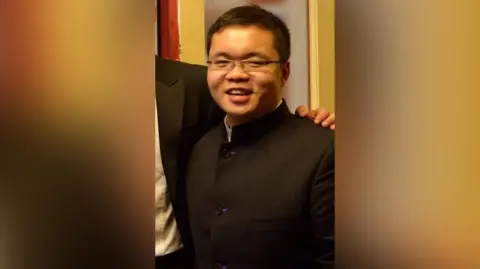
"The notion that one individual can act as a living vessel of UK identity, an individual who can possibly impart the characteristics of a English gentleman to a one-year-old child, strikes me as idealistic and unrealistic," he stated.
"From my perspective, employing a typically UK tutor from early childhood will will not necessarily produce the outcome they hope for.
"I never had such a tutor, and yet I have been lucky enough to live numerous of the opportunities they hope for their son."
He stated: "The reality is, self-identity should not be forced from the outside influences; it must be chosen, and it must be internally driven."
Buying Britishness
Naturally, Britishness is something the expert thinks can be instructed – and marketed.
"I think the reality that the world holds us in this regard is something that we should be cherishing|valuing|appreciating


